


The Ultimate Guide to Mediterranean Cuisine: A Flavorful Journey Through Time and Terrain
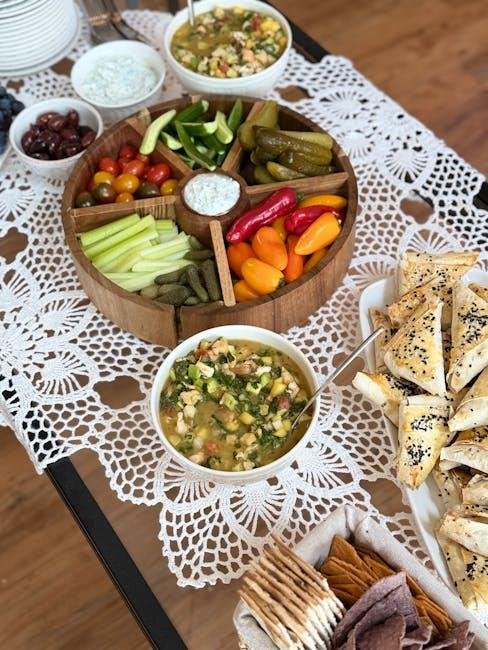
Nestled between sun-kissed shores and rolling hills,the Mediterranean region is a tapestry woven with rich cultural heritage and diverse culinary traditions. From the vibrant markets of Morocco to the enchanting tavernas of Greece, Mediterranean cuisine offers a cornucopia of aromas, colors, and textures that beckon food lovers from around the globe. In this ultimate guide,we embark on a delectable journey across the countries that border this iconic sea,exploring the essential ingredients,iconic dishes,and age-old cooking techniques that define the heart of Mediterranean fare. Whether you are a seasoned chef or a curious home cook, prepare to dive into the enticing world of flavors that celebrate both the simplicity of fresh produce and the sophistication of centuries-old recipes. Discover how the Mediterranean diet not only nourishes the body but also fosters connection and community,inviting you to savor each bite as a celebration of life itself.Bon appétit!
Exploring the Flavors of the Mediterranean: A Culinary Journey
the Mediterranean region is a vibrant tapestry of flavors, colors, and traditions, reflecting the diverse cultures that have thrived along its shores. Each country boasts its own unique culinary heritage, yet thay share several core ingredients that define Mediterranean cuisine. Olive oil,fresh herbs,and seafood are at the heart of many dishes,complemented by an abundance of fruits and vegetables. Traveling from the crisp salads of Greece to the rich tagines of Morocco, one discovers how the land’s bounty inspires vibrant dishes that tantalize the taste buds.
the beauty of Mediterranean cooking lies in its simplicity and reliance on high-quality ingredients. Here are a few staples you’ll come across on this gastronomic adventure:
- Tomatoes: Juicy and ripe,they form the base of countless sauces and salads.
- Legumes: Rich in protein, lentils and chickpeas are frequently found in stews and dips.
- Cheese: Feta, mozzarella, and halloumi serve as savory additions to many meals.
- Spices: Aromatic spices like cumin, coriander, and saffron infuse dishes with depth and warmth.
| ingredient | Common Uses |
|---|---|
| Olive Oil | Dressings, marinades, cooking |
| Herbs | Sauces, garnishes, flavoring |
| Seafood | Grilled, baked, and in stews |
| Grains | Salads, side dishes, main courses |

Essential Ingredients: Building blocks of Mediterranean Dishes
At the heart of Mediterranean cuisine lies a palette of fresh,vibrant ingredients that not only tantalize the taste buds but also nourish the body. Key components include olive oil, the golden elixir that enhances flavors and promotes health. Dishes come alive with a variety of herbs and spices such as oregano, thyme, and saffron, each contributing its unique aroma and zest.Fresh vegetables like tomatoes, bell peppers, and zucchini serve as the basis for countless recipes, providing essential vitamins and a burst of color. Additionally, legumes, particularly chickpeas and lentils, are staple sources of protein and fiber, easily incorporated into salads and stews.
Another cornerstone of this rich culinary tradition is the use of seafood, drawn from the Mediterranean’s bounteous waters, offering a variety of flavors and textures. Meats, often locally sourced, include lamb, chicken, and pork, often marinated in citrus juices and garlic to enhance their succulence. To bring sweetness to dishes, nuts and fruits like figs, olives, and pomegranates play a meaningful role in both savory and sweet preparations, marrying contrasting flavors beautifully. to summarize these key ingredients, the following table outlines their contributions to Mediterranean cuisine:
| Ingredient | Role |
|---|---|
| Olive Oil | Flavor enhancer and healthy fat source |
| Herbs & Spices | Aromatics and flavor boosters |
| Fresh Vegetables | Nutrient-dense base |
| Legumes | Protein and fiber sources |
| seafood | Rich protein with varied flavors |
| Nuts & Fruits | sweetness and texture contrast |
Cooking Techniques: Mastering the art of Mediterranean Cuisine
To truly embrace the richness of Mediterranean cuisine, mastering essential cooking techniques is paramount. The Mediterranean region, encompassing diverse cultures and culinary traditions, offers a plethora of methods that enhance the inherent flavors of its ingredients. Key techniques include:
- Grilling: This method brings out the natural smoky flavors in vegetables and meats,perfect for dishes like grilled octopus or vegetable skewers.
- Roasting: Baking vegetables or meats at high temperatures caramelizes their natural sugars, creating deep, rich flavors; think of classics like ratatouille.
- Sautéing: Fast and efficient, sautéing highlights the freshness of ingredients such as garlic, herbs, and seasonal vegetables, frequently enough forming the base of many Mediterranean sauces.
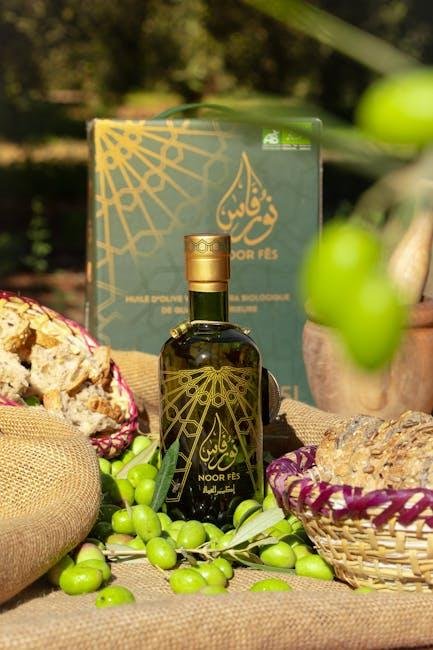
Along with these techniques, understanding how to balance the essential components of Mediterranean cooking—such as olive oil, fresh herbs, and citrus—is key to elevating your dishes. As an exmaple, using quality extra virgin olive oil as a base enhances flavor while contributing healthy fats. A simple yet effective way to bring your meals to life is by incorporating a variety of herbs and spices like:
- Basil: A fragrant herb central to pesto and salads.
- Oregano: Perfect for seasoning grilled meats and tomato sauces.
- Sumac: A tangy spice that adds brightness to salads and marinades.

Wine Pairing and Dining Etiquette: Elevating Your Mediterranean Experience
To truly immerse yourself in the Mediterranean experience, understanding the art of wine pairing is essential. The diverse flavors of Mediterranean cuisine—from the zest of lemon in a Greek salad to the richness of a Spanish paella—can be beautifully complemented by the right wine. Consider these classic pairings when planning your meal:
- White wines with seafood dishes, such as a crisp Sauvignon Blanc with grilled octopus.
- Full-bodied reds like Tempranillo to enhance spiced lamb dishes.
- rosé with vegetable-based meals, perfect for appetizers like stuffed grape leaves.
- Sweet dessert wines, such as Moscato, to round off your meal with a light dessert like baklava.
Beyond selecting the right wine, dining etiquette plays a significant role in elevating your Mediterranean experience. This cuisine embraces a communal dining style, often featuring shared platters and vibrant conversation. Here’s a swift guide to ensure your dining experience remains delightful:
| Etiquette Tips | Description |
|---|---|
| Serve family-style | Encourages sharing and interaction among guests. |
| wine service | Always pour wine for your guests first as a sign of hospitality. |
| Start with appetizers | Begin your meal with mezze or tapas to set a relaxed atmosphere. |
Key Takeaways
As we conclude our journey through the vibrant world of Mediterranean cuisine,we hope this guide has opened your senses to the rich tapestry of flavors,textures,and aromas that define this culinary tradition. From the sun-kissed shores of Italy to the aromatic spice markets of Morocco, the dishes we’ve explored are more than just meals; they are a celebration of culture, history, and community.
Embrace the diversity that Mediterranean cuisine offers, and let it inspire your own cooking adventures. Whether you find yourself savoring a simple olive oil drizzled over fresh bread, or indulging in a complex tagine, remember that each bite tells a story of the land, its people, and their timeless traditions.
So gather your ingredients, invite friends and family to share in the experience, and let the spirit of the Mediterranean inspire your table. With every dish, you’re not just enjoying food—you’re participating in a centuries-old celebration of life, love, and togetherness. Bon appétit!