



Korean cuisine, with it’s vibrant flavors and harmonious balance of ingredients, has captivated palates around the world. From the comforting embrace of a steaming bowl of kimchi jjigae to the crunchy crunch of perfectly seasoned banchan, there’s a delightful array of dishes waiting to be discovered. but what if you could bring the essence of Korea into your kitchen without the complexity frequently enough associated with conventional cooking? In this article, we invite you to explore a selection of easy-to-cook Korean dishes that shine with authenticity and simplicity. Whether you’re a seasoned chef or a curious novice, these recipes will empower you to recreate beloved Korean flavors with confidence and ease, transforming your dining experience into a delicious culinary adventure. So roll up your sleeves and get ready to embark on a journey filled with aromatic spices and colorful ingredients, all accessible from the comfort of your home.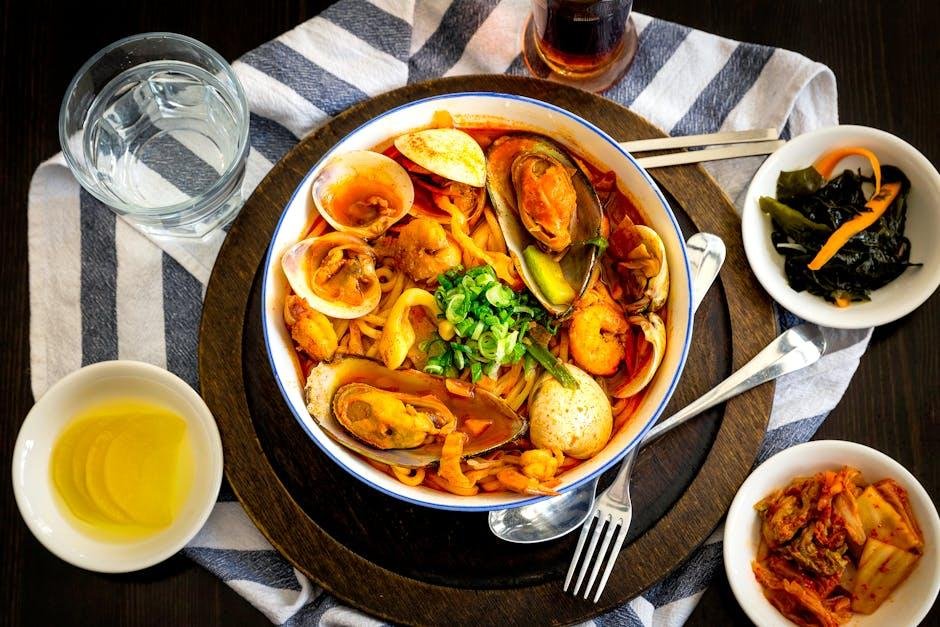
Exploring the Flavors of Home: Simple Korean Comfort Foods
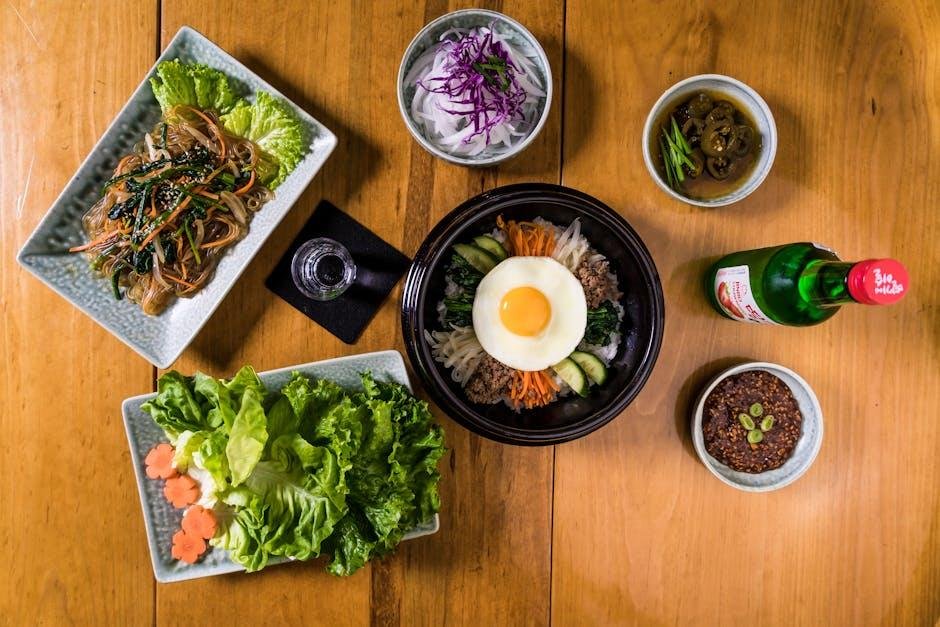
There’s something incredibly soothing about Korean comfort foods, a warm embrace on a chilly day, often filled with nostalgia and simple yet profound flavors. Among the most beloved dishes is Kimchi jjigae (Kimchi stew), a hearty stew that combines the tangy punch of fermented kimchi with tofu, pork, and a splash of sesame oil.Another favorite is Sundubu Jjigae (Soft Tofu Stew), a delightful combination of silken tofu, vegetables, and an optional seafood twist, all simmered in a fragrant broth. These stews are perfect for pairing with a bowl of warm rice and a selection of banchan (side dishes) to amp up the experience.
Don’t forget the Bibimbap, a colorful rice dish topped with an assortment of sautéed vegetables, beef, and a sunny-side-up egg, drizzled with gochujang (red pepper paste) for added flavor. Each bite is a delightful mix of texture and taste, making this dish not just nourishing but also visually appealing. For a quick weekday meal, consider making Kimbap—Korean rice rolls filled with vegetables, eggs, and your choice of protein, easily wrapped in seaweed.Here’s a quick cheat sheet for some essential ingredients to keep on hand for your comfort food adventures:
| Ingredient | Uses |
|---|---|
| Kimchi | Base for stews, side dish, or fried rice |
| Gochujang | Spicy flavoring for stews and bibimbap |
| Tofu | Protein source in stews, salads, or stir-fries |
| Sesame oil | Adds richness and depth to dishes |
| Seaweed (Nori) | Wrapping for kimbap or as a snack |
Essential Ingredients for creating Authentic Korean Dishes
To embark on your culinary journey into authentic Korean cuisine, you must gather some key components that form the heart of many beloved dishes. Gochugaru, a vibrant red pepper flake, brings a perfect balance of heat and smoky flavor, while doenjang, a fermented soybean paste, adds depth and umami.The use of sesame oil and soy sauce elevates flavors, providing that distinct Korean taste profile that encapsulates both richness and subtlety. Moreover,minced garlic and ginger are staples in Korean kitchens,infusing your dishes with aromatic warmth that tantalizes the palate.
Don’t forget the role of fresh ingredients,which are crucial for authenticity.Incorporate scallions for a refreshing crunch, and incorporate perilla leaves to add a unique herbaceous note. When preparing dishes like bibimbap or kimchi, these essential ingredients will not only enhance the flavor but also add layers of texture and complexity. To help you visualize these components, here’s a simple table outlining these essential ingredients with a brief description:
| Ingredient | Description |
|---|---|
| Gochugaru | Red pepper flakes known for their smokiness and heat. |
| Doenjang | Fermented soybean paste providing rich umami flavor. |
| Soy Sauce | A fermented liquid seasoning that deepens flavors. |
| Sesame Oil | Oil pressed from sesame seeds, adding a nutty aroma. |
| Minced Garlic | A staple for its robust,pungent flavor. |
| Ginger | Fresh ginger root for warmth and fragrance. |

Step-by-Step Recipes for Flavorful Korean Classics
Elevate your home cooking with these easy-to-follow recipes that deliver the authentic taste of Korea. First up is Bibimbap, a vibrant rice dish topped with assorted vegetables, beef, and a sunny-side-up egg.Prepare the ingredients by sautéing your choice of vegetables such as spinach,carrots,and mushrooms in sesame oil. Serve them over a bed of warm rice, add bulgogi for protein, and finish it off with a dollop of gochujang for that perfect kick. The beauty of Bibimbap lies in the ability to personalize it with various toppings that suit your taste!
next on the list is Kimchi Jjigae, a comforting stew featuring fermented kimchi. Start by frying some tofu and pork belly in a pot,than add your kimchi and enough water to cover the ingredients. Season with traditional Korean spices like gochugaru (red pepper flakes) and a splash of soy sauce. Simmer until the flavors meld beautifully, and voilà! You have a hearty dish that warms the soul.pair it with a bowl of steamed rice for a complete meal that embodies the heart of Korean cuisine.
Tips and Tricks for Mastering Korean Cuisine in Your Kitchen
Embrace the vibrant flavors of Korean cuisine by incorporating fresh ingredients and traditional techniques into your cooking routine. Start with essential ingredients like gochujang (Korean chili paste), soy sauce, sesame oil, and garlic, which form the backbone of many Korean dishes. Stocking your pantry with these staples will empower you to whip up a variety of meals without a hassle. Experiment with basic recipes like Bibimbap or Korean BBQ at home. Both dishes are forgiving and allow for customization, making them perfect introductory projects for budding chefs.
To make your cooking endeavors even smoother, consider the following tips:
- Preparation is Key: Chop and marinate your proteins ahead of time to save yourself stress during the cooking process.
- Make Use of a Pressure Cooker: A pressure cooker can substantially reduce cooking time for stews and soups, such as Kimchi Jjigae.
- Invest in Quality Cookware: Cast iron or non-stick pans are ideal for achieving that perfect sear and managing sticky rice.
Future Outlook
As we wrap up our culinary journey through the delightful world of Korean dishes, its clear that you don’t have to be a seasoned chef to bring the vibrant flavors of Korea into your kitchen. From the comforting warmth of kimchi jjigae to the zesty allure of bibimbap, these dishes not only satisfy the palate but also invite a sense of togetherness and joy that is at the heart of Korean cuisine.
With a handful of simple ingredients and a dash of enthusiasm, anyone can create these delectable meals that celebrate tradition while allowing for personal touches. So whether you’re cooking for friends, family, or simply for yourself, these easy-to-follow recipes offer an excellent gateway to explore the rich tapestry of Korean food culture.
As you embark on your cooking adventures, remember: every dish tells a story, and with each bite, you’re not just savoring flavors but also a piece of history and heritage. So grab your apron, unleash your creativity, and happy cooking!