



Title: Rise to the Occasion: Beginner-Amiable Bread Recipes
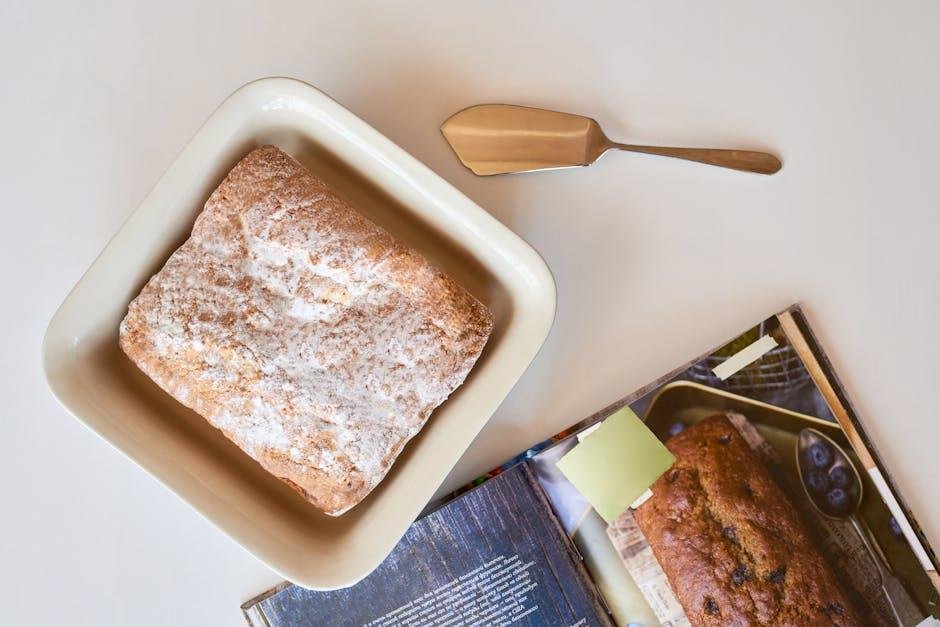
In a world that often feels hurried and complex, the simple act of baking bread can be both a soothing escape and a rewarding endeavor.the warm aroma of freshly baked loaf fills the air,inviting comfort and nostalgia,while the satisfying crunch of a crust gives way to soft,fluffy interiors—all created with just a handful of basic ingredients. For those new to the art of bread-making, the journey can seem daunting, with countless techniques and recipes that may intimidate even the moast adventurous home cook. However, baking bread doesn’t have to be an elusive skill reserved for seasoned chefs; it’s a craft accessible to anyone willing to embrace the process.In this article, we’ll explore an array of beginner-friendly bread recipes that demystify the bread-making process, empowering you to turn simple pantry staples into your very own golden-brown creations. Whether you’re looking for an easy no-knead bread or a delightful speedy bread to brighten your breakfast table,this guide will help you rise to the occasion with confidence and joy.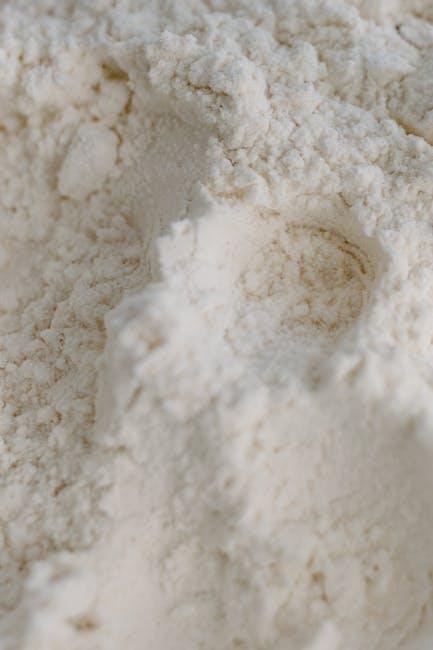
Simple Ingredients for Delicious Bread Creations
Creating delightful bread at home doesn’t require an extensive list of exotic ingredients. In fact, with just a handful of staples, you can whip up various bread types that will please any palate. Here’s a quick list of the essential ingredients you’ll need:
- Flour: The base of all bread, offering structure.
- Water: Essential for dough formation and gluten advancement.
- Yeast: The magical ingredient that helps the bread rise.
- Salt: for flavour and to control yeast activity.
- Sugar (optional): A touch of sweetness that enhances browning and flavor.
Experimenting with different ratios and combinations of thes simple ingredients can lead to unexpectedly delicious results. For example, consider adding some everyday items to elevate your creation:
| Add-ins | Effect |
|---|---|
| Herbs & Spices | Adds aroma and flavor. |
| Seeds & Nuts | Injects texture and nutrition. |
| Cheese | Increases moisture and richness. |
| Fruits | Provides natural sweetness and moisture. |
Essential Techniques for perfecting Your Loaf
To achieve that perfect loaf, mastering the fundamentals is key. Start with your ingredients: use high-quality flour to lay a solid foundation. Opt for bread flour with a higher protein content for better gluten development. Additionally, fresh yeast or active dry yeast can considerably enhance the flavor and rise of your bread. As you mix, pay attention to the hydration level; a higher hydration dough will yield a crusty exterior and a chewy crumb.Don’t forget to incorporate a reliable dough scraper, as it helps make kneading more manageable and keeps your workspace tidy.
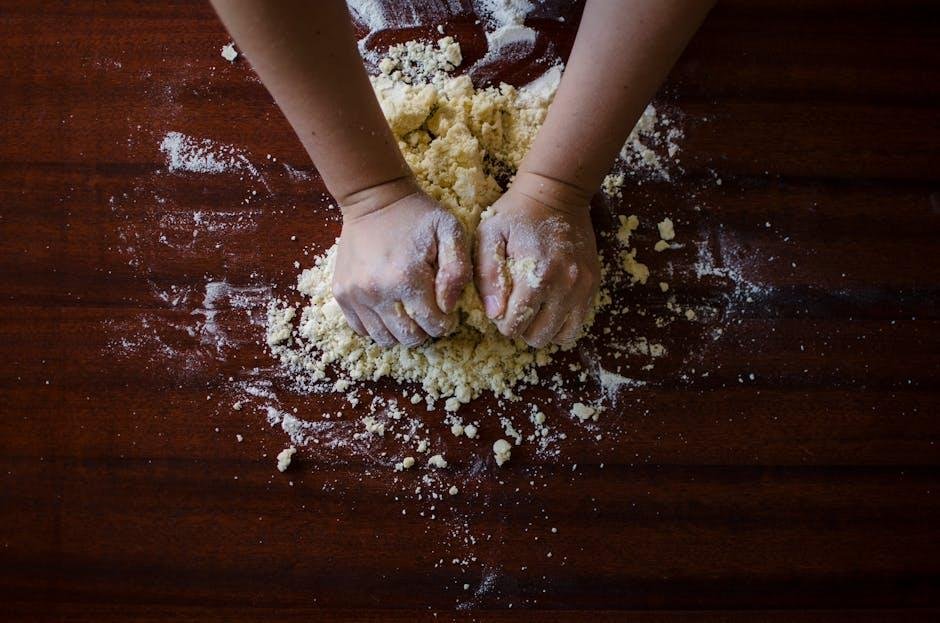
once your dough is prepared, the techniques applied during fermentation are just as crucial. Kneading is essential for gluten formation, so embrace the tactile experience. Aim for a smooth,elastic dough that springs back when poked. After kneading, allow the dough to rise in a warm habitat, covered to retain moisture. The first rise shoudl be significant, usually doubling in size. for the second rise, gently shape your dough into a loaf and let it rest. scoring the top with a sharp knife before baking not only enhances the appearance but also allows for controlled expansion in the oven. Enjoy the process and savor the delightful aromas that fill your kitchen!
Exploring Flavor Variations to Excite Your Baking
When it comes to baking bread, flavor is as importent as texture. Even simple recipes can become delightful treats by experimenting with various add-ins. Consider incorporating herbs into your dough for a savory twist, such as:
- Rosemary for a woodsy note
- Basil for a hint of sweetness
- Thyme for an earthy balance
Additionally, sweet variations can lift your bread to a new level of indulgence. Try adding ingredients like dried fruits or nuts to enhance both flavor and texture.Some popular choices include:
- Walnuts for crunch
- Dried cranberries for tartness
- Chocolate chips for a decadent touch
to help guide your flavor exploration, here’s a simple table comparing different flavor profiles for bread:
| Flavor Add-In | Type | Taste Profile |
|---|---|---|
| Garlic | Savory | Robust |
| Cinnamon | Sweet | Warm |
| Cheese | Savory | Rich |

Troubleshooting Common Bread baking Challenges
Baking bread can sometimes feel like an emotional rollercoaster, especially for beginners. It’s crucial to understand that setbacks can happen to anyone, and they’re often solvable. Here are some common challenges you might face:
- Dense Loaf: This may occur due to insufficient kneading or not enough yeast. Ensure you’re allowing the dough to develop properly and double-check that your yeast is fresh.
- Flat Bread: If your bread isn’t rising as was to be expected, check the temperature and humidity of your surroundings. yeast thrives in warmth and moisture, so finding the right environment can make a significant difference.
- Overbaking: Keep an eye on your bread and use a toothpick to check doneness.If it comes out clean, your bread is ready; otherwise, it may need a few more minutes.
In case your bread doesn’t turn out right, consider keeping a baking journal. Jot down your ingredients, timings, and conditions to track what works best. Below is a handy troubleshooting guide for quick reference:
| Issue | Possible Cause | Solution |
|---|---|---|
| Dough is too sticky | Too much water or humidity | Add a little more flour as needed |
| Bread crust is too hard | Baking at too high a temperature | lower the oven temperature |
| Uneven texture | Inconsistent kneading | Knead until dough is elastic and smooth |
Wrapping Up
As we wrap up our journey through the world of beginner-friendly bread recipes, we hope you feel inspired to step into your kitchen with newfound confidence.Baking bread is not just about the ingredients; it’s a delightful experience that engages all your senses. the aroma of rising dough, the satisfaction of crafting something from scratch, and, of course, the joy of sharing that warm, crusty loaf with loved ones make it all worthwhile.
Remember, every seasoned baker was once a novice, and every loaf has a story. Don’t be afraid to experiment and make mistakes—each loaf is a learning opportunity that brings you one step closer to mastering the art of bread-making. So, tie on your apron, gather your supplies, and let the dough rise; your next batch of homemade bread awaits! Happy baking!