


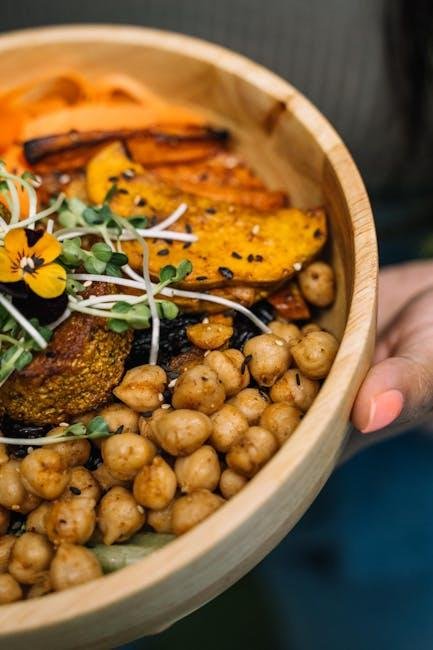
in a world increasingly aware of the profound connection between diet and well-being, the quest for vibrant health frequently enough leads us to the heart of the kitchen. Welcome to a flavorful journey where culinary art meets science in the form of anti-inflammatory recipes. These dishes not only tantalize the taste buds but also serve as powerful allies in our pursuit of daily vitality. whether you’re navigating the complexities of chronic inflammation or simply looking to nourish your body wiht wholesome ingredients, this article will guide you through a collection of delectable recipes designed to support your health and enhance your quality of life. From colorful salads bursting with nutrients to soothing soups that warm both body and soul, discover how incorporating these anti-inflammatory delights into your meals can transform your everyday eating habits into a party of wellness. Join us as we explore the delicious intersection of health and cuisine, one nourishing recipe at a time.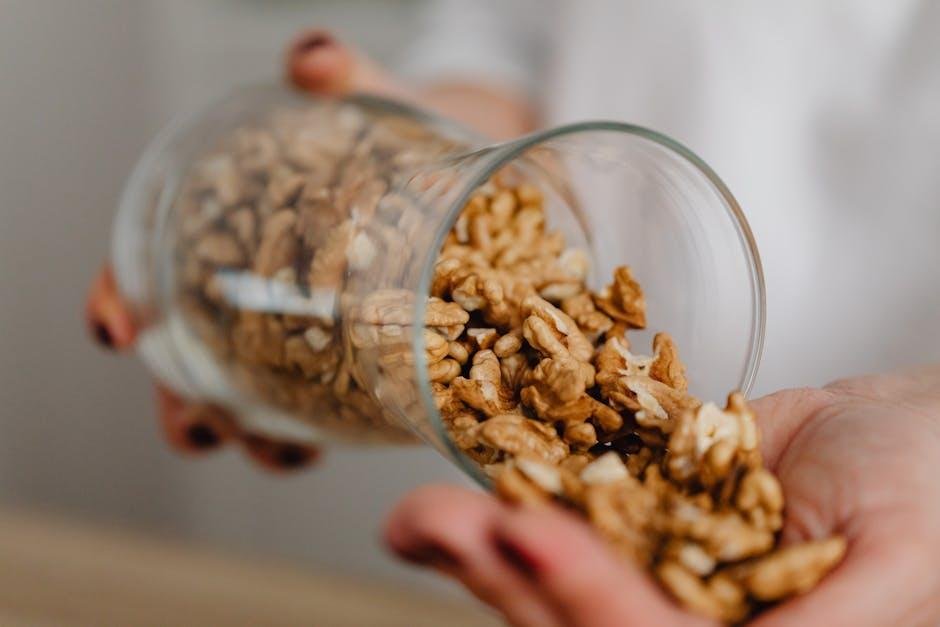
Exploring the Anti-Inflammatory Food Spectrum for Everyday Meals
Incorporating anti-inflammatory foods into your everyday meals can transform your diet and promote long-lasting health benefits. Focus on a colorful palette of fresh fruits and vegetables,whole grains,healthy fats,and lean proteins to create balanced and satisfying dishes. Consider adding ingredients such as turmeric, known for its curcumin content, along with ginger and garlic to enhance flavor while providing powerful anti-inflammatory effects. Including a selection of nuts, seeds, and legumes can also contribute essential vitamins and minerals while helping to keep inflammation at bay. Here are some key food groups to prioritize:
- Fruits: Berries, cherries, and oranges
- Vegetables: Leafy greens, broccoli, and sweet potatoes
- Whole grains: Quinoa, brown rice, and oats
- Healthy fats: Avocado, olive oil, and fatty fish
- Spices: Cinnamon, cayenne pepper, and black pepper
Creating meals with these ingredients doesn’t mean sacrificing taste or variety. Experiment with vibrant salads, hearty grain bowls, and warming soups that highlight these anti-inflammatory powerhouses. Below is a simple recipe idea to inspire your next culinary creation:
| Recipe | Key Ingredients | Cooking Method |
|---|---|---|
| Spicy Turmeric Chickpea Bowl | Chickpeas, turmeric, spinach, quinoa, cherry tomatoes | Sauté & serve |
| Berry & Nut smoothie | Mixed berries, almond milk, flaxseeds, spinach | Blend |
| Garlic roasted Veggies | Broccoli, carrots, garlic, olive oil | Roast & season |
Nourishing Ingredients to Combat Inflammation and Boost Wellness
To effectively combat inflammation and enhance overall wellness, incorporating a variety of nourishing ingredients into your daily meals is essential. Consider adding turmeric, known for its active compound curcumin, wich boasts powerful anti-inflammatory properties. Ginger is another remarkable root that can soothe inflammation and provide a warm zest to your dishes. Additionally, leafy greens such as spinach and kale are packed with antioxidants and vitamins, supporting your immune system and overall health. Other staples include:
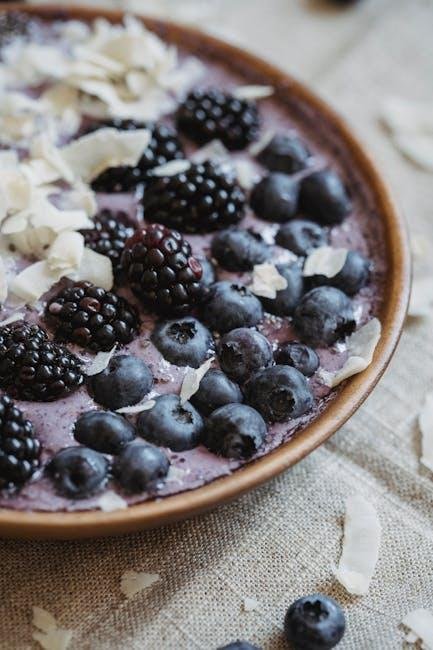
- Berries – Rich in anthocyanins, they help reduce inflammatory markers.
- Fatty fish – Sources like salmon and mackerel provide omega-3 fatty acids, fighting inflammation.
- Nuts and seeds – Almonds and flaxseeds are grate for heart health and mitigating inflammation.
Furthermore, incorporating certain spices and healthy oils can amplify the anti-inflammatory effects of your meals. Olive oil, especially extra virgin, is not just a delicious fat; it contains oleocanthal, an antioxidant that mimics the actions of ibuprofen. Garlic is celebrated for its strong anti-inflammatory and immune-boosting benefits, making it an excellent addition to sauces and marinades. When planning meals, consider the following table of ingredient pairings that enhance both flavor and health:
| Ingredient | Health Benefit |
|---|---|
| Turmeric | Reduces inflammation and supports joint health |
| Ginger | Soothes digestive issues and combats nausea |
| Spinach | Provides iron and antioxidants for better energy |
Delicious Recipes to Embrace an Anti-Inflammatory Lifestyle
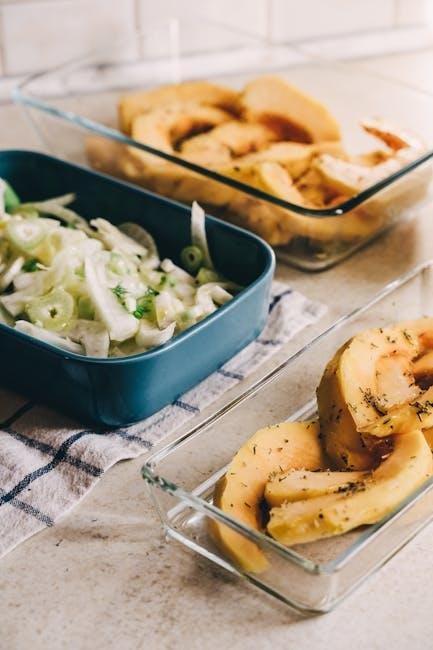
embracing a culinary journey that prioritizes anti-inflammatory ingredients can transform your daily meals into health-boosting experiences. Start with vibrant leafy greens, such as spinach and kale, which are abundant in antioxidants. Pair these with healthy fats like avocado or olive oil to enhance absorption of nutrients. Try adding a sprinkle of turmeric, known for its anti-inflammatory properties, to soups or stews for an earthy flavor that benefits your body.Here are some ingredients to incorporate into your meals:
- Fatty Fish: Salmon, mackerel, sardines
- Colorful Berries: Blueberries, strawberries, blackberries
- Whole Grains: Quinoa, brown rice, barley
- Nuts and Seeds: Walnuts, chia seeds, flaxseeds
- Spices: Ginger, garlic, cinnamon
For a delightful breakfast option, consider a smoothie bowl loaded with antioxidant-rich fruits and topped with nuts and seeds. You can also prepare a warming dish such as a quinoa and roasted vegetable salad with a tangy lemon-tahini dressing. Below is a simple table to inspire your anti-inflammatory recipe planning:
| Meal | Main Ingredients | Prep Time |
|---|---|---|
| Smoothie Bowl | Banana, spinach, almond milk, berries | 5 minutes |
| Quinoa Salad | Quinoa, roasted sweet potatoes, kale, lemon-tahini dressing | 30 minutes |
| Turmeric Chicken | Chicken breast, turmeric, garlic, olive oil | 20 minutes |
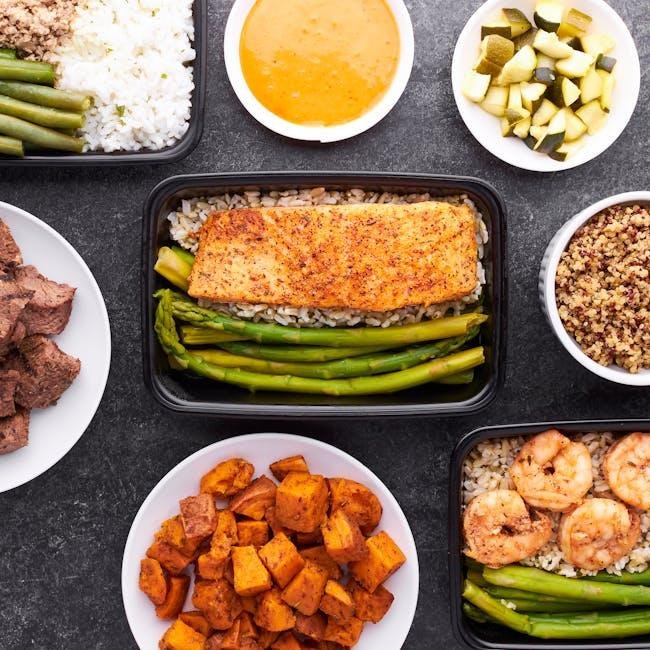
Tips for Crafting Balanced Meals that Soothe and Satisfy
Creating meals that both satisfy your hunger and promote health is an art that intertwines flavor, nutrition, and balance.To create dishes that are both soothing and nutritious, consider the following components:
- Colorful Vegetables: Incorporate a variety of vegetables like spinach, bell peppers, and carrots.Thier vibrant colors frequently enough indicate a wealth of vitamins, minerals, and antioxidants.
- Whole Grains: opt for quinoa, brown rice, or oatmeal to provide essential fiber and keep you feeling full longer.
- Healthy Fats: Use avocado, nuts, or olive oil to add richness and assist in nutrient absorption.
- Lean Proteins: Introduce sources like chicken, fish, or legumes to ensure satiety without excess saturated fat.
Moreover, it’s beneficial to strike a balance between these groups in each meal for a holistic approach to nutrition. For easy reference, here’s a simple breakdown of how your plate can look:
| Plate Component | Suggested Foods | Benefits |
|---|---|---|
| Vegetable base | Spinach, Kale, Broccoli | High in fiber and antioxidants |
| Whole Grains | Quinoa, Barley, Farro | Supports gut health and provides energy |
| Lean Proteins | Salmon, Tofu, Chickpeas | Promotes muscle repair and satiety |
| Healthy Fats | Almonds, Olive Oil, Avocado | Aids nutrient absorption and offers heart health |
to Wrap It Up
As we conclude our exploration of anti-inflammatory recipes, it’s clear that nourishing our bodies goes beyond mere sustenance; it’s an art of balance and self-care. By incorporating these vibrant dishes into your daily routine, you not only indulge in delightful flavors but also support your body’s resilience against inflammation. Remember, each meal is an chance to invest in your health, one bite at a time. Let these recipes serve as a canvas for your culinary creativity, encouraging you to experiment, adapt, and savor the journey toward a healthier, more vibrant life. Embrace the power of nature’s ingredients, and let their healing properties enhance your well-being for years to come. happy cooking!