


Savoring Spice: An Exploration of Middle Eastern Recipes
In the vibrant tapestry of Middle Eastern cuisine, spices are not merely ingredients; they are storytellers, weaving narratives of culture, history, adn tradition into every dish. From the bustling markets of Marrakech too the aromatic kitchens of Beirut, the allure of spices permeates the air, inviting both locals and travelers to embark on a culinary journey unlike any other. This article delves into the rich tapestry of Middle Eastern recipes, celebrating the diverse palette of flavors that arise from a myriad of spices—each with its own unique character and significance. Whether you are a seasoned cook or a culinary novice, prepare to explore the aromatic world of cardamom, cumin, saffron, and sumac, and discover how these elements transform humble ingredients into unusual meals. Join us as we uncover recipes that not only tantalize the taste buds but also encapsulate the essence of a region steeped in history and warmth.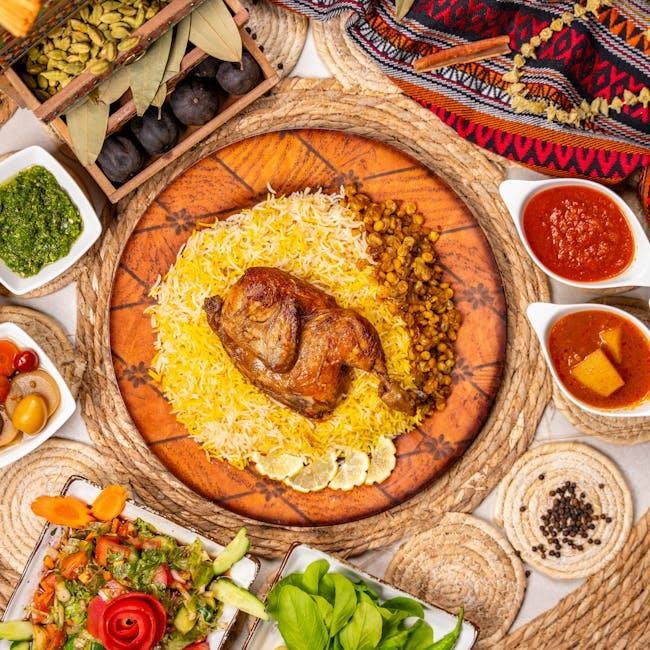
Exploring the Flavorful Essence of Middle Eastern Spices
The vibrant tapestry of Middle Eastern cuisine is interwoven with an array of spices that tantalize the senses and evoke a rich heritage. Each spice carries its own story, from the warm embrace of cumin to the zesty kick of sumac, and the sweet undertones of cinnamon. This diversity not only adds depth to dishes but also reflects the cultural exchanges that have evolved over centuries. Hear are some of the standout spices that elevate Middle Eastern recipes:
- Za’atar: A harmonious mix of herbs, sesame, and sumac, perfect for seasoning meats or adding a zesty flair to breads.
- Coriander: with its fresh, citrus-like flavor, it enhances everything from salads to stews.
- Cardamom: A fragrant spice that brings warmth to sweet and savory dishes alike.
- Paprika: Adds a rich color and a sweet,smoky flavor,enhancing rice and meat dishes.
To fully appreciate the role these spices play, consider the intriguing blends that define the region’s culinary identity. As an example, the blending of spices often showcases baharat, a fragrant and complex spice mix that typically includes black pepper, cloves, nutmeg, and allspice. Incorporating these into recipes not only amplifies flavor but creates a sensory experience that is quintessentially Middle Eastern. Here’s a brief overview of a few popular spice blends:
| Spice Blend | Main Ingredients | Common Uses |
|---|---|---|
| Za’atar | Thyme, sesame seeds, sumac | Seasoning for meats, dips, and flatbreads |
| Baharat | Black pepper, cloves, cinnamon, nutmeg | Soups, stews, and grilled meats |
| Harissa | Chili, garlic, cumin, coriander | Enhancing sauces and marinades |

Essential Ingredients to Elevate Your Middle Eastern Dishes
To truly capture the essence of Middle Eastern cuisine, one must embrace the vibrant flavors and aromatic spices that define the region’s cooking.Ingredients such as cumin, coriander, turmeric, and paprika are basic, each bringing its own unique character to the dishes. Fresh herbs like parsley, mint, and cilantro add brightness and depth, while garlic and onions serve as the aromatic backbone of many recipes.Incorporate a touch of sumac for a tangy kick,or za’atar for a herby,earthy flavor that complements grilled meats and vegetables beautifully.
The balance of flavors is essential, and nuts such as pine nuts, almonds, and walnuts not only offer a delightful crunch but also enrich the dishes with healthy fats and protein. For a touch of sweetness, consider adding dried fruits like apricots, dates, or raisins, which can transform savory dishes into a delightful fusion of flavors.don’t underestimate the power of a good olive oil or a splash of pomegranate molasses, which can elevate the simplest of plates into something extraordinary.
| Ingredient | Flavor Profile | Common Uses |
|---|---|---|
| Cumin | Warm, earthy | Curries, stews |
| Sumac | Tangy, zesty | Salads, grilled meats |
| Za’atar | herby, nutty | Breads, dips |
| Pomegranate Molasses | Sweet, tart | Dressings, marinades |

Traditional Techniques for Perfectly Balanced Flavors
The heart of Middle Eastern cuisine lies in its harmonious blending of spices, a skill passed down through generations that transforms simple ingredients into dishes bursting with flavor. To achieve perfectly balanced tastes, traditional techniques must be employed. This involves the careful layering of spices, such as cumin, coriander, and sumac, at various stages of cooking. Each spice contributes its unique profile, enhancing the overall complexity of the dish. Roasting spices before adding them can unlock their essential oils, allowing their flavors to deepen and meld beautifully. Furthermore, letting dishes marinate allows the spices to permeate the ingredients, ensuring that every bite is an explosion of flavor.
In addition to the layering and roasting techniques, the art of preparation plays a crucial role in achieving balance. utilization of fresh herbs, such as cilantro and mint, can add brightness to robust dishes, while the inclusion of acidic ingredients like lemon juice or pomegranate molasses adds a contrasting tartness that elevates the flavors. A variety of cooking methods also contributes to this balance; as a notable example, slow-cooking meat can render it tender and allow spices to fully infuse the dish, while grilling may impart a smoky undertone. by respecting and adhering to these time-honored traditions, each meal becomes not just a dish, but a celebration of flavors reminiscent of the rich landscapes and cultures that birthed them.
A Culinary Journey Through Regional variations and Signature Recipes
The Middle Eastern culinary landscape is a vibrant tapestry woven with diverse spices,each lending its own character and depth to signature dishes. Instead of a single uniform taste, the region offers an array of flavors that vary dramatically from one contry to another, highlighting local ingredients and cultural traditions. Sumac, with its tangy essence, features prominently in salads and grilled meats, while za’atar, a fragrant blend of herbs, frequently enough adorns bread or roasted vegetables. Other essential spices include cumin, known for its warm, earthy notes, and cinnamon, which brings a subtle sweetness to both savory and sweet dishes alike.
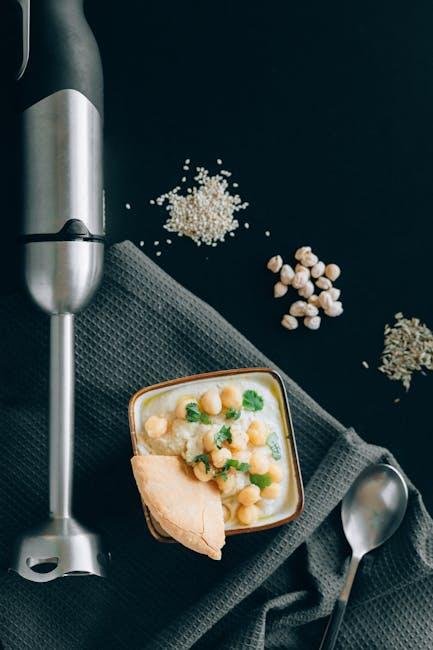
As we traverse this culinary journey, you’ll discover beloved dishes such as shawarma, its marinated meat infused with spices like paprika and turmeric, served alongside refreshing tabbouleh, a parsley and bulgur salad brightened by lemon juice and mint. In the rich realm of stews, tagine—a slow-cooked Moroccan staple—offers a harmonious mix of spices, fruits, and meats that illustrates the region’s use of sweet and savory elements. For a simple yet stunning experience, try hummus, where the creamy blend of chickpeas, tahini, and garlic is enhanced by a drizzle of olive oil and a sprinkle of paprika.Exploring these regional variations not only tantalizes the taste buds but also fosters a deeper appreciation for the cultural narratives behind each enticing recipe.
The Way Forward
As we conclude our flavorful journey through the vibrant world of Middle Eastern recipes, it’s clear that spices are the true stars of these culinary traditions.From the earthy warmth of cumin to the shining notes of sumac, each ingredient tells a story, connecting us to centuries of culture and heritage. As you embark on your own cooking adventures,remember that the beauty of these dishes lies not just in their taste,but in the love and history they embody.So, gather your spices, don your apron, and let the aromatic symphony of the Middle Eastern kitchen inspire your next meal. Whether you’re enjoying a warm bowl of lentil soup or savoring the complexity of a spiced lamb tagine, may every bite remind you of the rich tapestry that spices weave through our kitchens and our lives. Happy cooking!