



Introduction: A Global tapestry of Flavor
In the vast culinary landscape of our world, few elements are as transformative as a good sauce. With the ability to elevate a simple dish into a memorable dining experience, authentic sauces from different countries tell rich stories of culture, tradition, and the artistry of cooking. From the zesty tomatillo salsas of Mexico to the fragrant curry pastes of Thailand, each sauce offers a glimpse into the local ingredients, techniques, and palates that shape its creation. As we embark on this flavorful journey across continents,we’ll explore the unique sauces that define cuisines,celebrate regional ingredients,and inspire home cooks to create their own vibrant dishes. Join us as we uncover the authentic tastes that bring the world to our tables, one sauce at a time.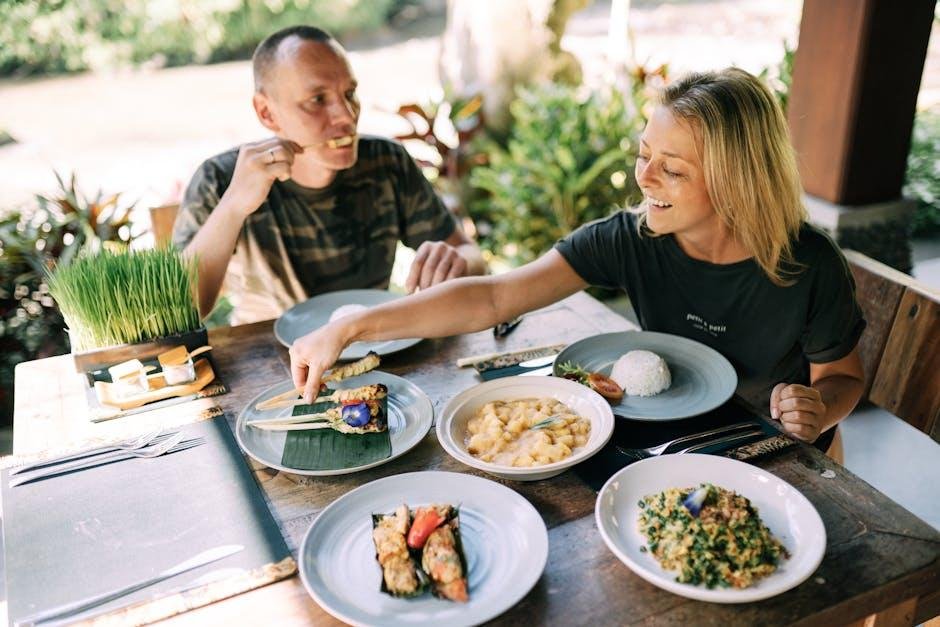
Exploring the Rich Tapestry of Global Flavors
As we journey across diverse culinary landscapes, we encounter an array of authentic sauces that elevate everyday dishes into exceptional experiences. Each sauce tells a unique story, reflecting the culture, climate, and culinary traditions of its homeland. Here are some noteworthy sauces that encapsulate the essence of their respective countries:
- Salsa Verde (Mexico): A vibrant green sauce made from tomatillos,cilantro,jalapeños,and lime,perfect for drizzling on tacos or enchiladas.
- Tzatziki (Greece): A refreshing blend of yogurt, cucumber, garlic, and dill, ideal as a dip or accompaniment to grilled meats.
- Pesto (Italy): A fragrant mixture of basil,pine nuts,garlic,and Parmesan,this flavorful sauce enhances pasta,sandwiches,and more.
- Chimichurri (Argentina): A zesty sauce made with parsley, garlic, vinegar, and olive oil, traditionally served with grilled meats.
- Teriyaki Sauce (Japan): A sweet and savory blend of soy sauce, sake, and mirin, commonly used in marinades and stir-fries.
These sauces are more then just condiments; they are vital components of their local cuisines. Consider the intricate balance of flavors that defines Sofrito (Puerto Rico) — a fragrant blend of aromatic vegetables that forms the base for many dishes — or the rich Harissa (North africa), a fiery chili paste often used to spice up stews and grilled meats. To better understand their distinctive characteristics, let’s analyze how these sauces are prepared and the key ingredients that define them:
| Sauce | Key Ingredients | Typical Use |
|---|---|---|
| Salsa Verde | Tomatillos, Cilantro, jalapeños | Tacos, Enchiladas |
| Tzatziki | yogurt, Cucumber, Garlic | Dips, Grilled meat |
| Pesto | basil, Pine Nuts, Olive Oil | Pasta, Spreads |
| Chimichurri | Parsley, Garlic, Vinegar | grilled Meats |
| Teriyaki | Soy Sauce, Mirin, Sugar | Marinades, Stir-Fry |
Savoring Italy’s Timeless Sauces: Pesto, Marinara, and Beyond
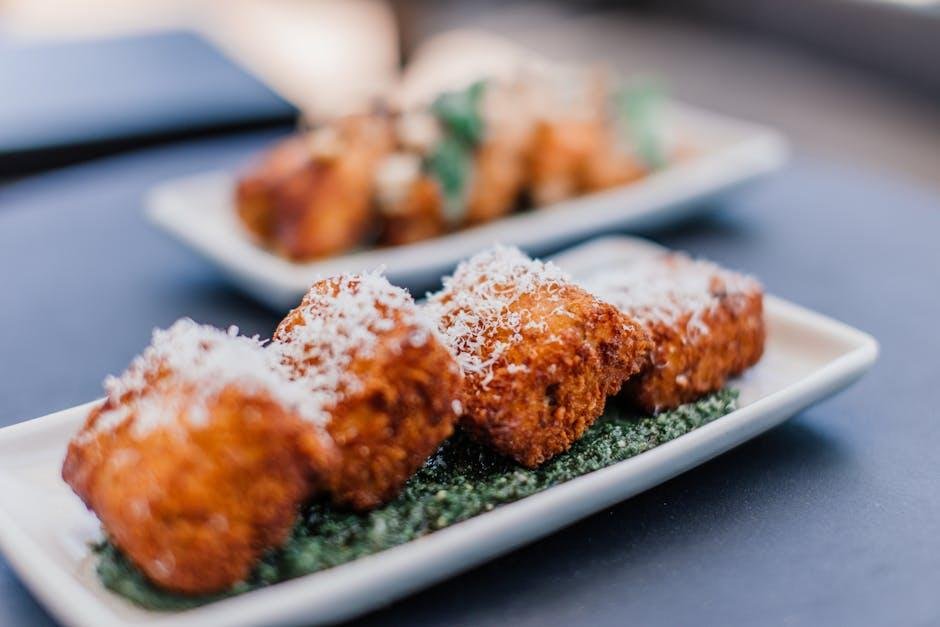
Italy’s culinary landscape is rich with sauces that capture the essence of its regions. Pesto, originating from the coastal city of Genoa, is a vibrant blend of fresh basil, garlic, pine nuts, parmesan cheese, and olive oil. Traditionally prepared in a mortar and pestle, this sauce embodies the spirit of Italian cooking – fresh, simple, and bursting with flavor. Marinara, hailing from naples, is another iconic sauce, made with ripe tomatoes, garlic, onions, and a dash of oregano. Each spoonful showcases the sweetness of the tomatoes, frequently enough enhanced with red pepper flakes for a bit of heat. these sauces not only elevate a dish but also tell a story of Italian heritage and the importance of seasonal ingredients.
Beyond these staples, italy boasts an array of sauces that tantalize the taste buds. Consider the rich and creamy Alfredo, a luxurious blend of butter, cream, and parmesan that envelops fettuccine in a silky embrace. Conversely, Putanesca offers a bold punch with its ingredients of tomatoes, olives, capers, and anchovies, often associated with the bustling streets of Naples. Each of these sauces contributes to a vibrant tapestry of flavors, making Italian cuisine beloved worldwide. Enjoying them is not just about taste but also appreciating the cultural significance they carry through generations.
The Fiery Depths of Mexican Salsas and Mole Variations
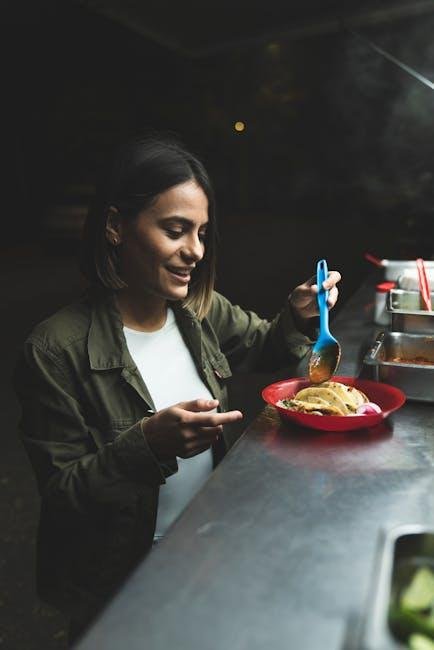
The culinary landscape of Mexico is richly textured with a tapestry woven from its vibrant salsas and complex moles. Each recipe carries ancestral knowledge, awash with bold flavors and aromatic spices that evoke the heart of Mexican culture. Salsas range from the fiery to the fresh, showcasing varied ingredients like tomatoes, chilies, and herbs. The salsas can be broadly categorized into:
- Salsa Roja: A classic red salsa made from roasted tomatoes and peppers, perfect for tacos.
- Salsa Verde: A tangy green salsa crafted from tomatillos, frequently enough served with grilled meats.
- Pico de Gallo: A fresh salsa of chopped tomatoes, onions, and cilantro, great for a refreshing crunch.
Moving deeper into the realm of sauces,mole represents a genre all its own,celebrated for its rich complexity and regional variations. traditional moles often include a medley of ingredients such as chocolate, nuts, and various spices, producing a savory and sometimes sweet sauce that gracefully dances on the palate. Notable types of mole include:
| Mole Type | Main Ingredients | Regional Origin |
|---|---|---|
| mole Poblano | Chocolate, chili peppers, almonds | Puebla |
| Mole Verde | Tomatillos, pumpkin seeds, cilantro | Oaxaca |
| Birria de Res | Cumin, chili guajillo, coriander | jalisco |
Delving into Asian Sauces: From Soy to Satay and Everything In Between
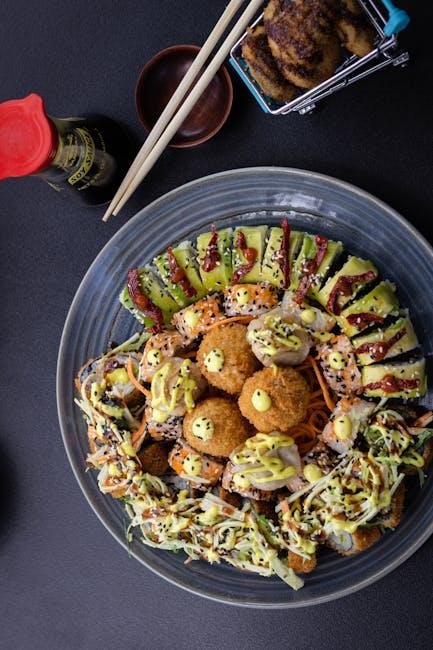
Asian cuisine is a tapestry of flavors, and at its heart are the sauces that transform simple dishes into extraordinary culinary experiences.Take, such as, Soy Sauce, the classic condiment originating from China. It serves as a cornerstone in many dishes, imparting a deep umami flavor. Then there’s Fish Sauce, notably popular in Southeast Asian cooking, were its pungent aroma enhances dishes such as Pad Thai and Thai Green Curry. These staples are just the beginning; a world of flavors awaits in the diverse repertoire of Asian sauces.
Venturing beyond the familiar, we find Kecap Manis, a sweet soy sauce from Indonesia that adds a rich glaze to grilled meats, and Sambal, a fiery chili paste that can ignite any meal with its spicy kick. From Korea, Gochujang brings a unique fermented sweetness and depth, perfect for stir-fries and marinades. The myriad of sauces often incorporates distinct local ingredients, creating unique flavor profiles that speak to each culture’s palate.Here is a brief overview of some authentic sauces:
| Sauce | Country | Main Flavor |
|---|---|---|
| Soy Sauce | China | Umami |
| Fish Sauce | Vietnam | Salty |
| Kecap Manis | Indonesia | Sweet |
| Sambal | Malaysia | Spicy |
| Gochujang | Korea | Fermented Sweetness |
Each sauce tells a story of the region it hails from and the traditions that celebrate it. Whether it’s drizzled over rice, folded into marinades, or served as a dip, these sauces are more than just flavor enhancers; they embody the soul of their cultures, inviting us to explore a world filled with exotic tastes and culinary adventures.
In Retrospect
In a culinary world overflowing with processed options and generic flavors,exploring authentic sauces from various countries offers a tantalizing journey into the heart of each culture’s gastronomic identity. These vibrant, frequently enough time-honored concoctions not only enhance our meals but also tell stories of tradition, creativity, and local ingredients. From the fiery salsas of Mexico to the delicate sauces of Thai cuisine, each recipe invites us to experience the world from our kitchen.
As we conclude our exploration, we encourage you to step beyond the familiar and embrace the flavors that each sauce brings. Whether experimenting with a bold chimichurri or savoring the umami of Japanese teriyaki, these authentic sauces remind us that food is more than sustenance; it is a bridge to understanding different cultures and a celebration of shared tastes. So, gather your ingredients, fire up the stove, and let your palate travel across continents—culinary adventures await you just a spoonful away.