


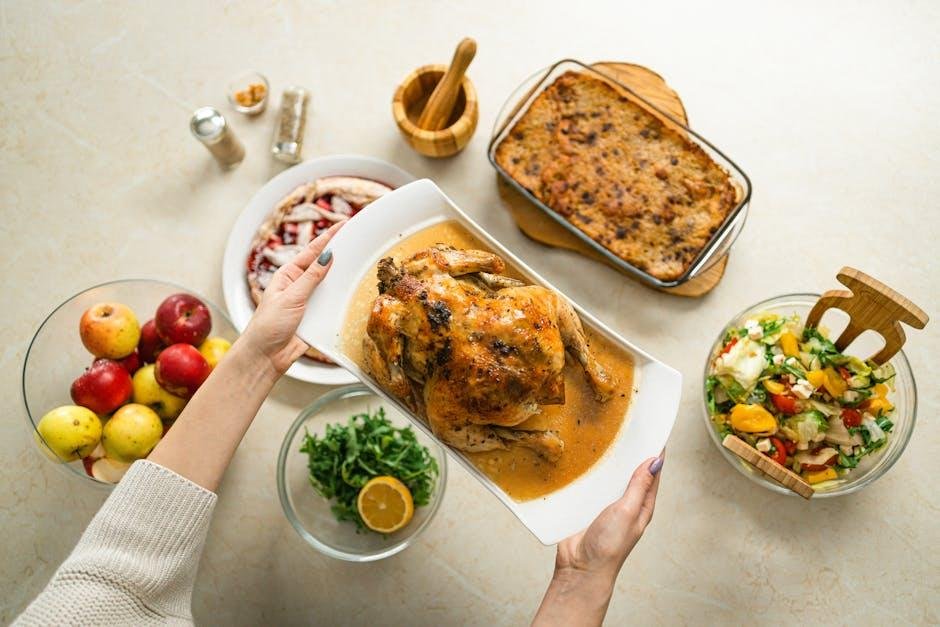
French Cooking Made Simple: A Culinary journey for Every Home Chef
French cuisine has long been celebrated for its elegance and complexity, conjuring images of charming bistros, bustling markets, and the comforting embrace of rich, savory aromas wafting through the air. Yet, for many home cooks, the notion of preparing French dishes can feel intimidating, reserved for skilled chefs or gourmet establishments. But what if we told you that the essence of French cooking—its flavors, its techniques, and its joie de vivre—can be distilled into simple, approachable recipes that anyone can master?
In this article, we will demystify French cooking, breaking down the art of this beloved culinary tradition into manageable steps. Whether you are a beginner looking to expand your culinary repertoire or an experienced cook eager to explore new flavors, we’ll guide you through classic techniques, essential ingredients, and straightforward recipes that celebrate the heart and soul of french cuisine. Get ready to don your apron, sharpen your knives, and embark on a flavorful journey that makes French cooking not just achievable, but enjoyable for everyone. Bon appétit!
Essentials of French Cuisine: Ingredients and Tools to Begin Your Culinary Journey
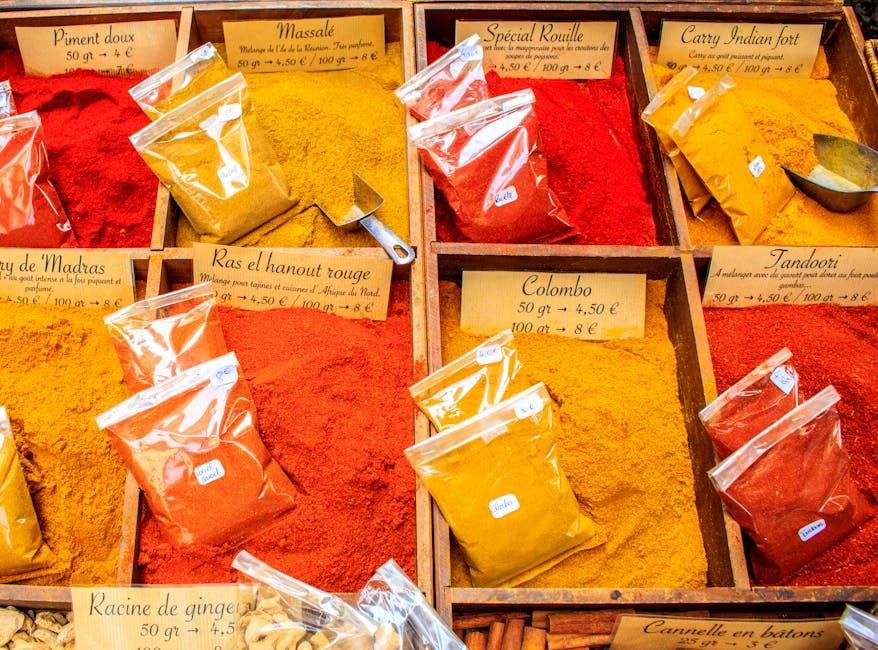
To embark on your culinary journey through French cuisine, you’ll need to stock your kitchen wiht a blend of essential ingredients and tools. First and foremost, invest in fresh herbs like thyme, rosemary, and tarragon, which are the backbone of countless classic dishes. ensure your pantry is well-equipped with high-quality olive oil, butter, and vinegar, which serve as the foundation for sauces and dressings. Don’t forget staples like shallots, garlic, and leeks, which bring depth to flavors in many recipes.
In addition to ingredients, the right tools are crucial for executing French techniques with ease. A cast iron skillet is perfect for searing meats and creating tantalizing sauces, while a French whisk is indispensable for emulsifying dressings and whipping egg whites. A mandoline slicer will allow you to achieve the perfect cut for vegetables, and a set of high-quality chef’s knives is fundamental for any serious chef. To ensure precision,consider using a digital kitchen scale and measuring spoons. Together, these tools will help you elevate your culinary skills and embrace the art of French cooking.
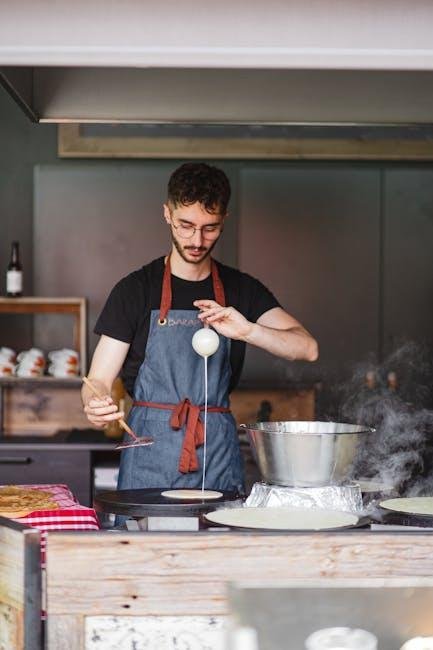
Mastering Classic Techniques: Key Skills for Every Aspiring French Chef
For every aspiring French chef, mastering classic techniques is essential for building a strong culinary foundation. These skills not only enhance your cooking repertoire but also deepen your understanding of ingredients and flavors. Key techniques include:
- Knife Skills: Learning how to properly chop, dice, and julienne vegetables is fundamental. Precision cuts not only improve presentation but also ensure even cooking.
- Emulsion: perfecting the art of sauces like aioli and vinaigrette elevates any dish, showcasing your ability to blend flavors seamlessly.
- Poaching: This gentle cooking method enhances the natural flavors of ingredients, making it perfect for proteins and delicate fruits.
Furthermore, understanding the principles of classic French cooking allows chefs to innovate while honoring tradition. The essentials include:
| Technique | Description |
|---|---|
| Sautéing | Cooking quickly in a small amount of fat at high heat, perfect for vegetables and proteins. |
| Braising | A combination of cooking methods where food is first browned, then cooked slowly in liquid. |
| Pâtisserie | The art of French pastry making, focusing on techniques like kneading and shaping dough. |
Deliciously deconstructed: Simplifying Iconic French Dishes for Everyday Cooking
Transforming classic French cuisine into approachable everyday meals is a delightful challenge that opens the door to a world of flavors. By breaking down conventional recipes into their essential components, anyone can savor the exquisite tastes without spending hours in the kitchen. Consider the following elements that make for a deliciously deconstructed approach:
- Creamy Risotto: Swap out the cumbersome techniques for a one-pot version that allows you to focus on the flavors.
- Coq au Vin: Use chicken thighs and a good-quality wine to create a simplified yet robust dish.
- Ratatouille: Roast seasonal vegetables together for an easy,flavorful side that sings of summer.
Each of these dishes can be enjoyed in a fraction of the time, while still capturing the essence of their French origins. The key is to embrace fresh ingredients, herbs, and a bit of technique without the fuss. For those who appreciate a rapid reference, here’s a simple table showcasing the main ingredients needed for a streamlined approach:
| Dish | Main Ingredients |
|---|---|
| Creamy Risotto | Arborio rice, broth, Parmesan, butter |
| Coq au Vin | Chicken thighs, red wine, mushrooms, garlic |
| Ratatouille | Aubergine, zucchini, bell peppers, tomatoes |
With this deconstructed ideology, French cooking can be both accessible and enjoyable, turning kitchen endeavors into delicious successes. Embrace the simplicity without sacrificing the delicate flavors that make French cuisine so renowned.
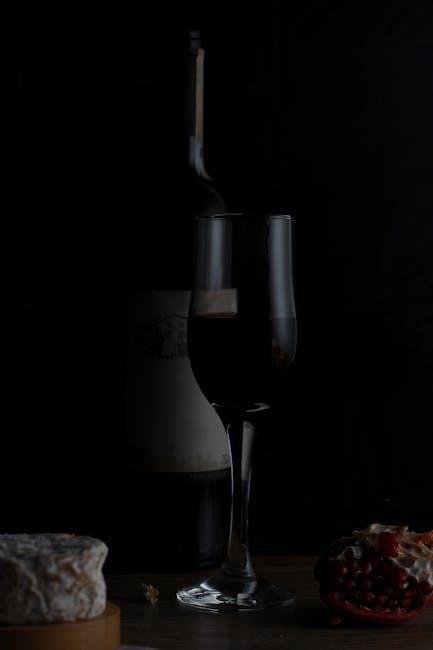
Wine and Flavor Pairing: Enhancing Your Meals with French taste Traditions
To truly elevate your dining experience, understanding the symbiosis between wine and food is essential. French cuisine, renowned for its rich flavors and culinary techniques, provides a robust framework for matching wines with meals, allowing you to enhance your palate effortlessly.Consider these classic pairings:
- Chardonnay with roasted chicken
- Pinot noir with duck confit
- Cabernet Sauvignon with beef bourguignon
- Sauvignon Blanc with fresh goat cheese
- Riesling with spicy ratatouille
Along with these traditional pairings, understanding the essential flavor components can further refine your choices. French cuisine often emphasizes the balance of acidity, sweetness, and tannins in both food and wine.Such as, pairing a wine with a similar acidity to that of the dish can harmonize the flavors, while sweet wines can complement richly flavored items. Explore these creative combinations:
| Dish | Recommended Wine | Flavor Notes |
|---|---|---|
| Coq au Vin | Beaujolais | Fruity & Earthy |
| Crème Brûlée | Sauternes | Sweet & velvety |
| Seafood Provencale | Rosé | Crisp & Refreshing |
To Wrap It Up
As we conclude our culinary journey through ”French Cooking Made Simple,” we hope you feel inspired to don your apron and immerse yourself in the art of French gastronomy. Remember, the heart of French cooking lies not only in the techniques and flavors but also in the joy of sharing a meal with loved ones. Whether you’re whipping up a classic coq au vin or a delicate crème brûlée,embrace the spirit of experimentation and enjoy every step of the process. French cuisine, with its rich history and vibrant traditions, is more accessible than you might think. So, take a deep breath, savor the aromas, and let your kitchen transform into a charming bistro. Bon appétit!